What Is the Difference Between IP66 and IP67 CCTV Cameras?
With the growing demand for reliable home and business security, CCTV cameras are an essential part of any security setup. However, when buying cameras, you may encounter terms like IP66 and IP67, which describe the level of protection a camera has against dust and water.
IP66 and IP67 are two of the most common ratings found in CCTV cameras, but many people are unsure what really sets them apart. Understanding these ratings is essential for your security cameras to perform effectively in different environments.
Let’s look at the differences between IP66 and IP67 CCTV cameras, their practical applications, and how to choose the right camera for your needs.
What Does IP Rating Mean?
"IP" stands for Ingress Protection. This is an international standard (IEC 60529) that specifies the level of protection of a device against solid objects (including dust) and liquids (water) and how effective that protection is.
-
The first digit in the rating marks the degree of protection that is offered against solids. The scale begins with 0 meaning no protection and continues to 6, signifying completely dust-tight protection.
-
The second figure indicates the level of the protection against liquids, with 0 to 9 being the lowest to the highest, respectively, and the last number showing the protection against high-pressure water.
For IP66, the first "6" signifies total dust protection and the second "6" denotes strong water jet resistance. However, in IP67, the "7" points out that the device is capable of being fully immersed in water that is one meter deep for thirty minutes.
Key Differences Between IP66 and IP67 CCTV Cameras
The difference between IP66 and IP67 mainly lies in water resistance:
-
IP66 Cameras: IP66 cameras are completely resistant to dust and can withstand water jets from any direction. This feature makes them perfect for outdoor use; however, they are not meant for underwater use.
-
IP67 Cameras: The IP67 rated cameras can certainly withstand dust but can also be immersed in water for half an hour with the maximum depth of 1 meter. They are ideal for harsh weather, flood-prone places, and installation close to pools or water features.
IP66 is enough for most outdoor conditions, while IP67 offers extra protection for more demanding environments.
Why IP Rating Matters for CCTV Cameras
Choosing the right IP rating ensures that the cameras are functional and weatherproof at the same time. Cameras installed outside are exposed to many elements such as dust, very heavy rainfall, wind, and, at times, even very high or low temperatures. If the cameras are not IP rated correctly, the electronics might get ruined, and the camera may not properly work.
According to Statista, more than 40% of outdoor camera malfunctions are directly related to weather conditions, thus highlighting the need for proper IP rating selection.
Applications of IP66 vs IP67 Cameras
-
IP66 Cameras: Suitable for places like residential areas, entrance doors of offices, and commercially open outdoor spaces that are prone to rain or water splashes. Examples of this include security cameras in the gardens and surveillance of the parking lot and that of the perimeter around the building.
-
IP67 Cameras: This is ideal for extremely harsh outdoor environments, industrial zones, seaside places, and areas with very high moisture and water exposure. They are also the better choice for monitoring swimming pools, flood-prone locations, and construction sites.
Other Factors to Consider Beyond IP Rating
IP rating is important, but it isn't the only thing to look at when purchasing a CCTV camera.
Video Resolution and Image Quality
Cameras with high resolutions (such as 4MP, 5MP, or 4K) provide excellent quality, which makes it easier to reveal faces, read numbers on license plates, and pick up some license details.
Night Vision and Low-Light Performance
Infrared (IR) or low-light technology is used in camera systems for effective surveillance under complete darkness.
Connectivity Options
Which type of cameras do you prefer, wired or wireless? With a camera that has a wireless connection, you can easily select; however, a wired camera offers you a stronger connection.
Smart Features
There are some cameras available in the market that come with motion detection, AI analytics and app notifications as basic features. These features not only enhance the security but also reduce false alarms.
Durability and Build Quality
The first factor that should influence your choice of camera is the one with tough metal or plastic housing of the highest quality. Cameras with IP66 and IP67 ratings are still safe but the durability of the device will depend on the material used in the construction.
How to Choose the Right IP-Rated Camera for Your Needs
When deciding between IP66 and IP67 cameras, assess your environment:
-
FFor general outdoor use: IP66 is usually enough.
-
For areas exposed to extreme conditions: Choose IP67 to prevent water damage.
-
For indoor use: Lower IP ratings may be acceptable, but IP66 or IP67 adds extra protection against accidental spills or humidity.
Choosing the right IP rating for your CCTV cameras guarantees that they will have a dependable performance, require lesser maintenance and be less prone to replacement, which might incur high costs.
Top Tips for Installing IP-Rated CCTV Cameras
-
Position Cameras Strategically: The cameras should be installed in places where they can monitor all the entrances, driveways, and locations that may be insecure. It is best to keep the camera out of direct sunlight if at all possible.
-
Check Wi-Fi Coverage or Network Cabling: You need to have a strong Wi-Fi signal for IP cameras or use high-quality Ethernet cables for wired installations.
-
Regular Maintenance: Always clean the lenses of the cameras if you want to get a clear image. Also, look carefully at the camera if there is any dirt or debris that can lower its IP rating.
-
Use Accessories: Mounting brackets, weather shields, and protective casings are examples of accessories that enhance the life span of the equipment and at the same time, increase its location flexibility.
Future Trends in CCTV Technology
The CCTV industry continues to evolve with smarter, more resilient cameras:
-
AI-Powered Cameras: For correct detection, it separates humans and vehicles to reduce false alarms.
-
Cloud Storage Integration: Footage is securely stored online so you can remotely access it anytime.
-
Enhanced Night Vision: Modern cameras provide better picture clarity in low-light conditions, not only in infrared but also with colored night vision light.
-
Smart Home Integration: The IP67-rated cameras can also be integrated with home automation systems to send notifications, set alarms, or even switch lighting as needed.
The IP67-rated cameras will be increasingly preferred for outdoor and high-risk environments as urban areas are growing and the weather patterns are getting more unpredictable.
Conclusion
The choice of CCTV cameras with IP66 or IP67 protection will depend on the environment where the cameras will be placed. The IP66 rating allows for all outdoor applications, while the IP67 rating is only for extreme weather and water-exposed areas. Other features like resolution, night vision, and smart functionalities must also be considered.
With VIGI CCTV cameras, you can enjoy reliable, weather-resistant surveillance that integrates seamlessly with your smart home or business setup. Explore VIGI’s range of cameras for the perfect IP-rated solution for your security needs.
VIGI C350 Security Camera: Premium outdoor camera with advanced features and robust weatherproofing (IP67), ideal for high-traffic entry points or business security.
VIGI C330I Outdoor IP Camera: Excellent 3MP outdoor bullet camera with smart detection and clear video quality; a solid choice for home driveways or yards.
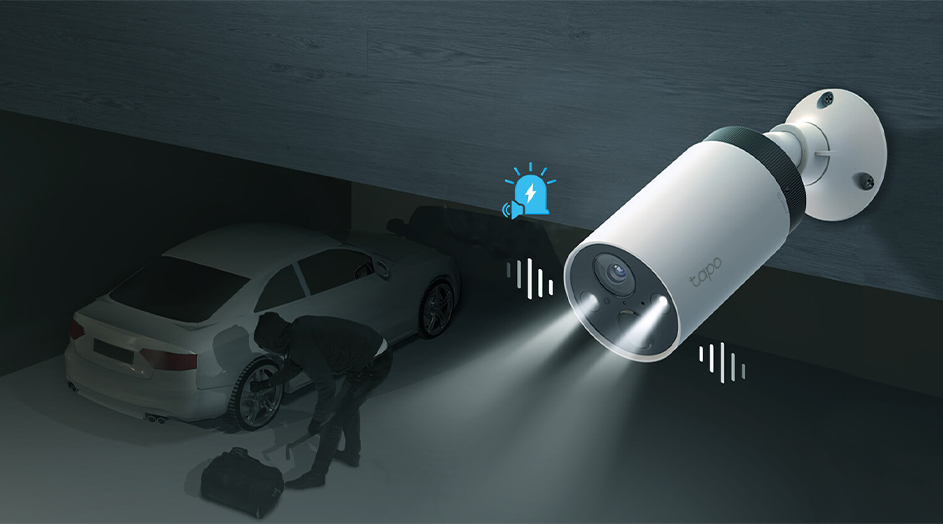
VIGI C340I Bullet Camera: 4MP outdoor bullet camera with smart detection and flexible lens options, great for broader coverage. This camera distinguishes humans and vehicles from other objects, so you receive more accurate event notifications.
FAQs About IP66 and IP67 CCTV Cameras
Can an IP66 camera handle heavy rain?
Yes, IP66 cameras are designed to withstand heavy rain but they shouldn't be submerged in water.
Is IP67 always better than IP66?
An IP67 is available for added water resistance, but for most outdoor residential settings, an IP66 is fine.
Do indoor cameras need IP66 or IP67?
No. IP66/IP67-rated cameras are installed for additional protection from weather conditions like dust and water.
Can IP67 cameras be installed underwater?
The products can be submerged for 30 minutes up to 1 meter of depth but are not intended for continuous underwater activities.
How do I check the IP rating of a camera?
IP ratings are typically mentioned in the specification section of the camera or in the product manual. Look for IP66, IP67, or similar markings.

_20240531080640o.png)