CCTV for Retail Stores in the Philippines: Full Guide
Published: August 14, 2026 | Last Updated: August 14, 2026
Quick Answer
-
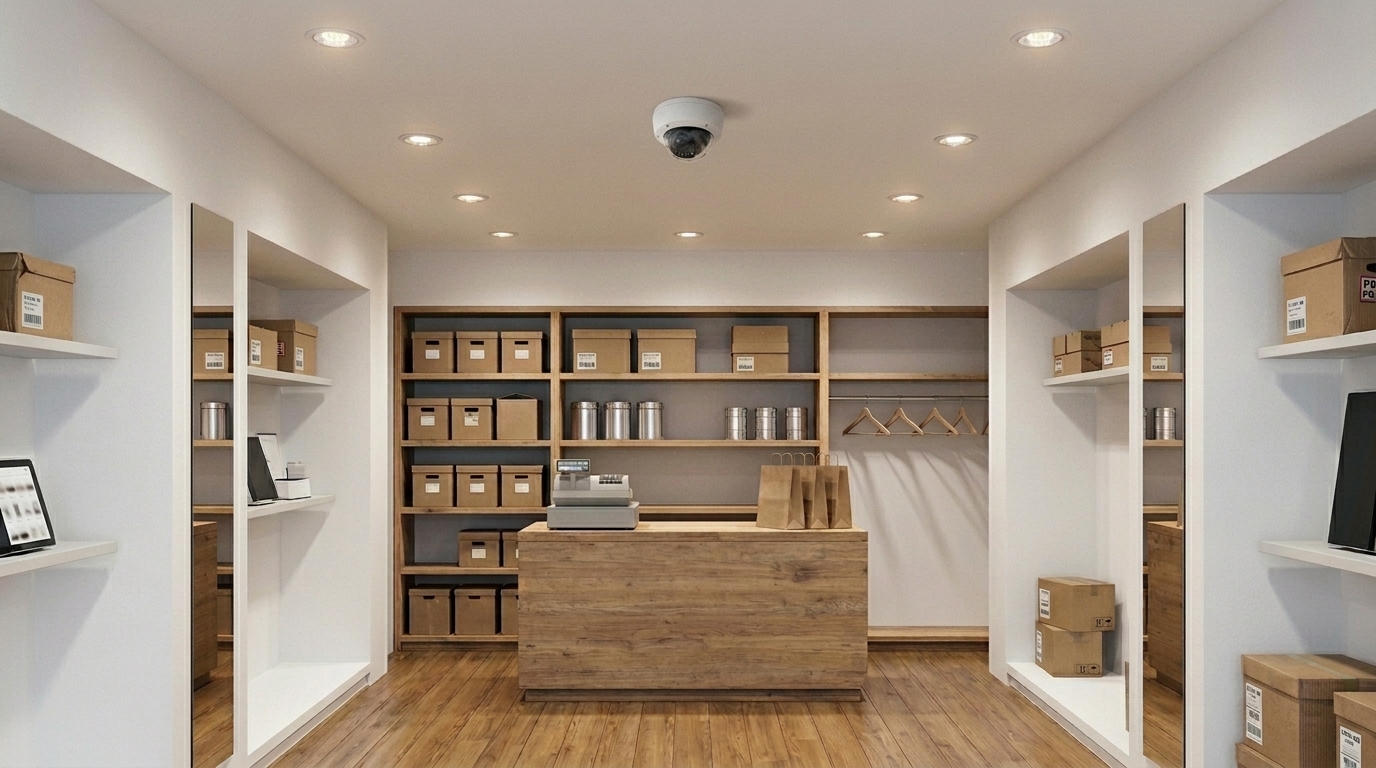
Coverage priorities are the places where product or cash changes hands: entrances, checkouts, high-value displays, and the stockroom. Blanket coverage at equal density misses the point.
-
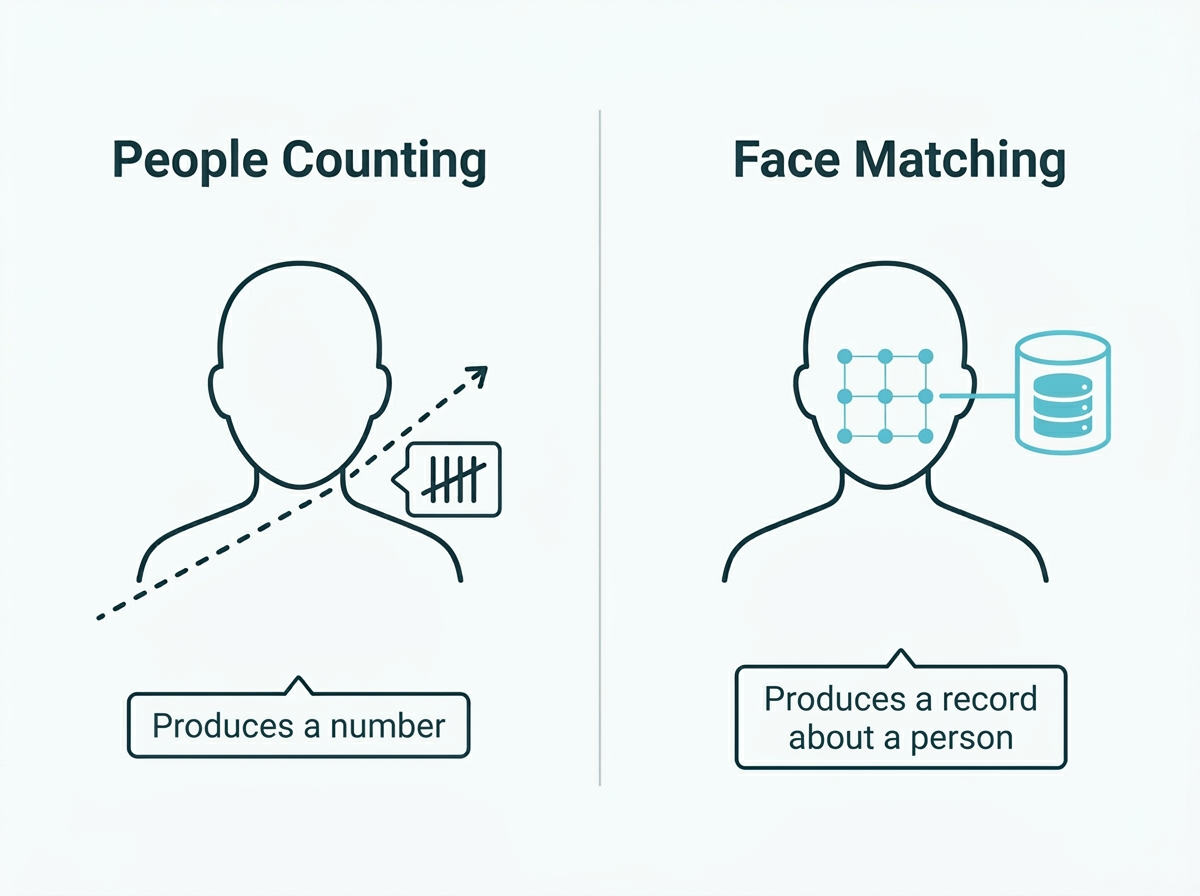
People counting on VIGI uses head-and-shoulder detection, and TP-Link states it involves no facial recognition, which is what makes it a footfall tool rather than a privacy question.
-
Denylist alerts are a different thing. They match faces against a database, which is biometric data under Philippine law and requires a privacy impact assessment. Take advice before deploying one.
Most retail camera systems are bought for one job and only ever asked to do that job. They watch the till, record the door, and review the footage after something goes wrong. The same cameras are already watching the things retailers pay separately to find out: how many people came in, which displays held attention, and when queues built up. Turning that into usable information is mostly a matter of where the cameras are located and which software layer you buy. However, one of the features commonly sold alongside it carries obligations a Philippine retailer should understand before switching it on.
Table of Contents
Where Should Retail Cameras Go?
What Can the Same Cameras Tell You About the Business?
How Does People Counting Work Without Identifying Anyone?
What About Denylist Alerts for Shoplifters?
What Changes When You Run More Than One Store?
What Does the Law Require of a Retailer?
Where Should Retail Cameras Go?
Where product or money changes hands, and where either leaves the building. Spreading cameras evenly across a shop floor produces a lot of footage of nothing happening.
Retail loss comes from three directions: external theft, internal theft, and administrative error such as miscounts and mispriced stock. All three concentrate in the same handful of places, which makes retail coverage more predictable than in most settings.
Feature-to-Benefit: Retail Coverage Priorities
|
Zone |
Priority |
What the camera is actually for |
|
Entrances and exits |
High |
The only route in or out, and the natural place for footfall counting |
|
Checkout counters |
High |
Where cash and product meet, and where transaction disputes get settled |
|
High-value displays |
High |
The concentrated shrinkage risk, and worth identification-grade coverage |
|
Stockroom and receiving |
Medium to high |
Low traffic, high value, and the least observed part of the shop |
|
General shop floor |
Medium |
Coverage plus the movement data the analytics section covers |
|
Parking and exterior |
Medium |
Approach and vehicle risk, subject to what else falls in frame |
|
Fitting rooms |
Never |
Prohibited by name under NPC Circular 2024-02 |
The door and the till carry the highest value per camera because everything passes through them, high-value displays justify a camera specified to identify rather than merely detect, and the stockroom earns coverage precisely because nobody is watching it. The shop floor is where analytics pay off more than security does. And fitting rooms are not a judgment call; they are named in the privacy rules as prohibited.
One placement note that saves argument later. A checkout camera should see the counter surface and the transaction, not the customer's face at close range, and not the card terminal keypad. Positioning it over the counter looking down at the working surface gets the useful footage without the rest.
What it means for you: rank your positions by what passes through them rather than by floor area. A shop with four well-placed cameras usually beats one with eight spread evenly.
What Can the Same Cameras Tell You About the Business?
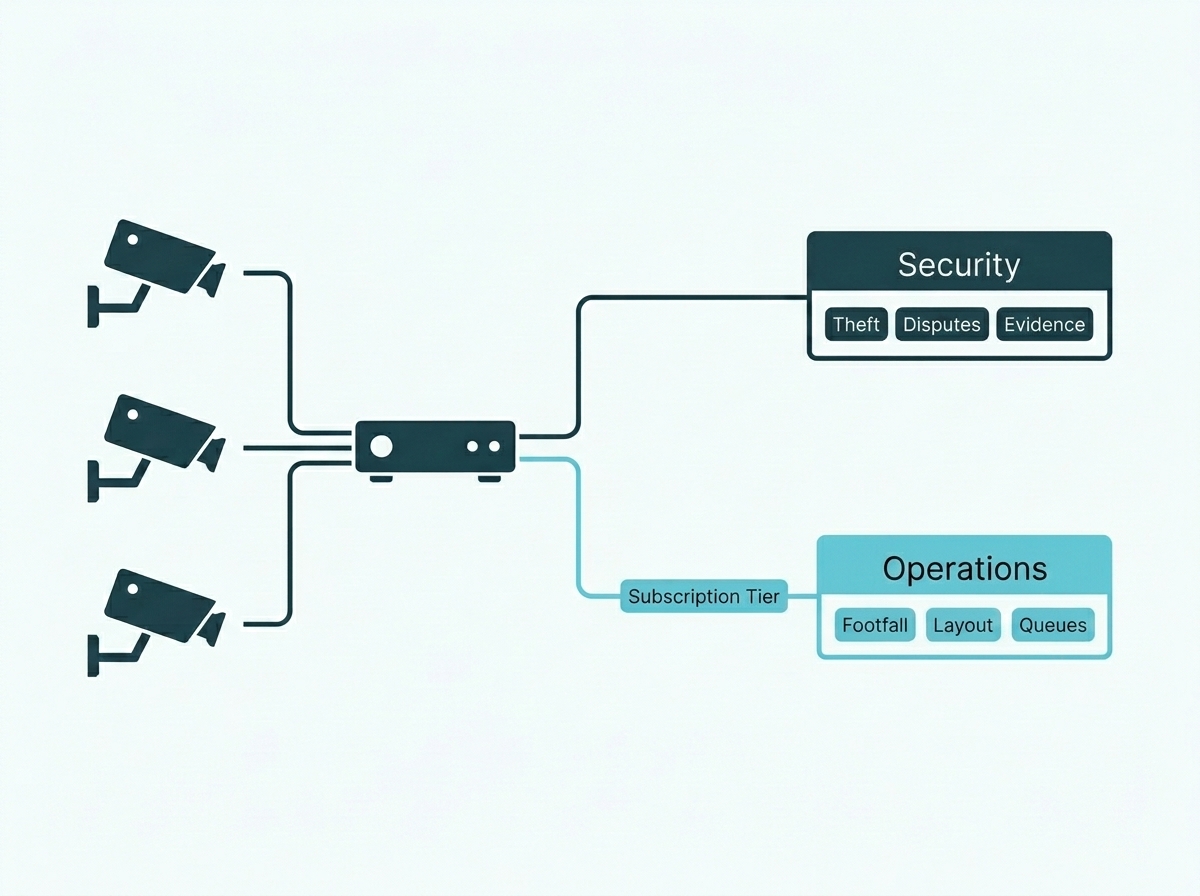
Footfall, movement, and queue length, which are three things retailers otherwise guess at or pay separately to measure. This is the part of a retail camera system that is genuinely underused.
People counting reports how many entered, how many passed by without entering, and when. That answers whether a promotion brought people in, and it turns staffing from a habit into a schedule.
Flow analytics and heat maps show where customers actually walk and where they stop, which turns layout decisions from opinion into observation. A display everyone walks past is a display in the wrong place, and that is difficult to establish any other way.
Queue detection counts people waiting and estimates wait time, which is covered in its own section below.
One thing to budget for. On VIGI, these analytics are not a camera feature you get by buying cameras. They sit in the paid version of VIGI Cloud VMS, listed as Intelligent Chain-store Patrol, Heatmap, Customer Flow Analytics, and Crowd and Queue Management. The free version covers basic monitoring: organization, site, users, video, and alarms. So the analytics case is a subscription decision alongside the hardware decision, and it is better made deliberately than discovered afterwards. You can compare what each tier includes on VIGI's software and VMS pages.
What it means for you: decide whether you will actually use the data before paying for the tier that produces it. Footfall and queue data are worth real money to a business that acts on them and nothing at all to one that does not.
How Does People Counting Work Without Identifying Anyone?
By detecting heads and shoulders rather than faces. That distinction is the whole answer, and on VIGI it is a stated commitment rather than an inference.
The camera looks for the head-and-shoulder shape of a person passing through a defined area and counts the crossing. TP-Link states that VIGI's people counting detects only head-and-shoulder features, with no facial recognition involved. Nobody is identified, no biometric template is created, and the output is a number rather than a record about a person.
Practically, it works like this. You define up to three detection areas, each with a directional line, so a doorway can count people going in and out separately and also count those who pass by without entering. Detection runs on the camera itself, with the cloud aggregating the results. Traffic statistics refresh every minute, visitor counts every fifteen minutes, and historical data is retained for trend comparison over several years. It also works with regular VIGI cameras rather than requiring specialized counting hardware.
The pass-by figure is the one retailers underuse. The ratio of people who walk past to people who come in is a measure of how well the storefront itself is working, and it responds to changes in window display and signage in a way total footfall does not.
What it means for you: if privacy is your concern with analytics, people counting is the feature to start with, because there is a clear vendor statement that no faces are processed. Keep that statement on file with your privacy documentation.
What About Denylist Alerts for Shoplifters?
They work by matching faces against a database, which makes them a materially different proposition from everything else in this article. If you are considering one, this section is the one to read carefully.
What the feature does. A denylist alarm compares people appearing on camera against a stored watchlist and raises an alert on a match. The underlying capability is face recognition, which detects faces, extracts distinguishing features, and compares them against a database. It is not motion detection with a name attached, and the retail framing of "flagging a known individual" describes the outcome rather than the mechanism.
What that means under Philippine law. A facial template is biometric information, and the Data Privacy Act treats biometric data as sensitive personal information, which carries a higher standard than ordinary personal data. NPC Circular 2024-02 defines video analytics to include artificial intelligence algorithms and facial recognition and requires a privacy impact assessment to identify and reduce the risks where those are in use.
There is a further consideration specific to a retail denylist that a general privacy discussion misses. The list holds biometric records of individuals who have usually not been convicted of anything, compiled by a private business, and used to trigger action against them in a shop. Questions about how someone gets on the list, how they are told, how they get off it, and how long the record is kept are not technicalities. They are the substance of the obligation.
What this article is not saying. Not that the feature is unlawful, which is a question for the NPC and for your own counsel rather than for a camera vendor. What it is saying is that a denylist is a legal project with a technical component, not a setting you switch on, and it should be treated that way.
What it means for you: if a supplier offers denylist alerts, ask them for the privacy impact assessment before you ask about accuracy. If the conversation cannot get past that, the feature is not ready for your store.
Can Cameras Help with Queues?
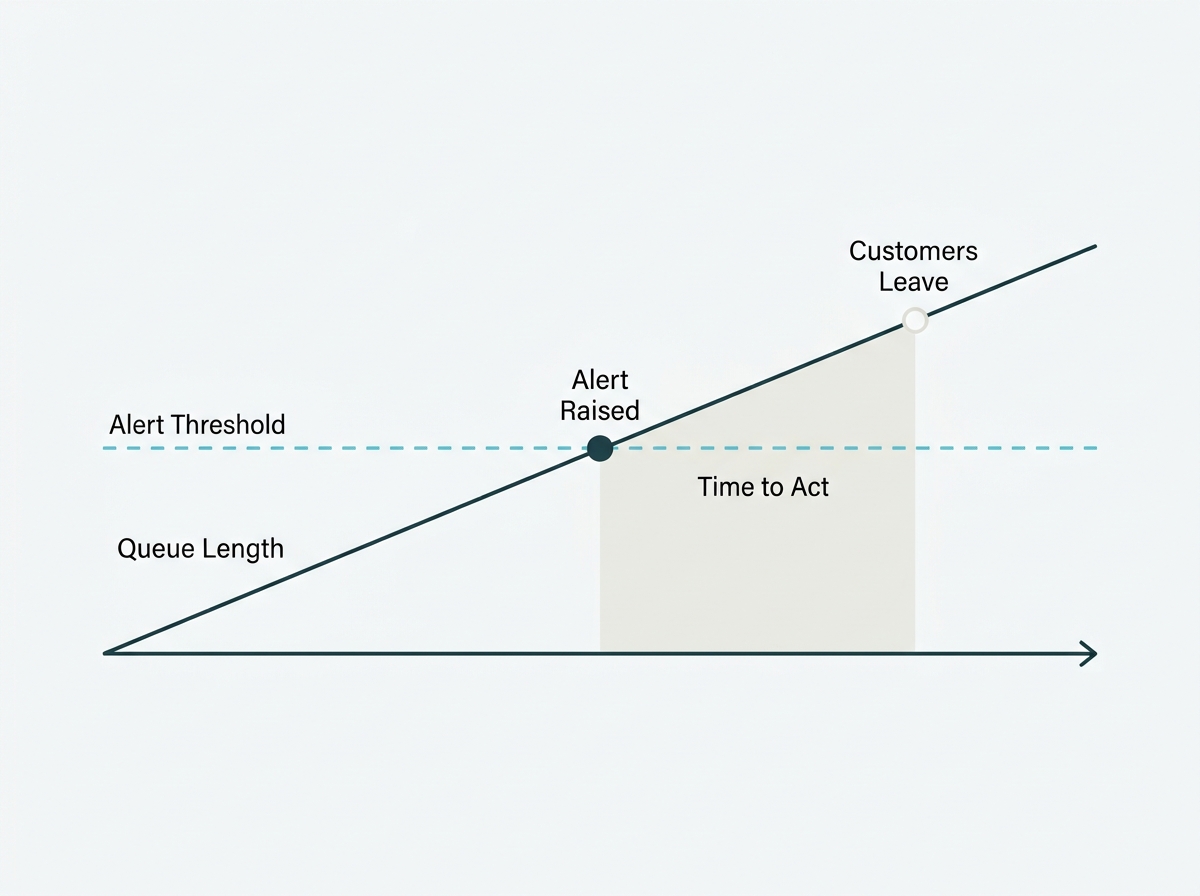
Yes, and it is the analytics feature with the clearest return, because a long queue is a measurable loss rather than an inconvenience.
Camera-based queue detection counts people waiting and estimates how long the wait is, and raises an alert when the queue passes a threshold you set. The point is the timing: the alert arrives while there is still something to do about it, which is opening a lane or moving someone to the till, rather than appearing in a report the following week.
Queue data is also the easiest analytics output to act on, because the response is immediate and obvious. Footfall data changes a staffing roster next month. Queue data changes what happens in the next five minutes.
On VIGI, this sits in the paid Cloud VMS tier as Crowd and Queue Management, alongside the other analytics features.
What it means for you: if you are going to buy one analytics capability, this is usually the one that pays first, because abandoned queues are direct lost sales and the fix costs nothing but attention.
What Changes When You Run More Than One Store?
The coverage plan stays the same at each site. What changes is that data from separate stores has to arrive in one place, and that adding a location must be a configuration task rather than a project.
A chain running each store as its own system ends up with separate logins, separate recordings, and no way to compare one branch against another. Centralized cloud management fixes that by aggregating both footage access and analytics data across sites, so footfall at one branch can be read against another and a regional manager can see the estate rather than one store at a time.
Two features specifically serve chains. Intelligent chain-store patrol cycles through sites automatically rather than requiring someone to open each one. And per-site access roles mean a branch manager sees their own store while a regional manager sees several, which matters more as headcount grows.
The architecture question underneath this, including how management platforms differ and where footage actually lives, is covered in Surveillance Solutions for Philippine Businesses.
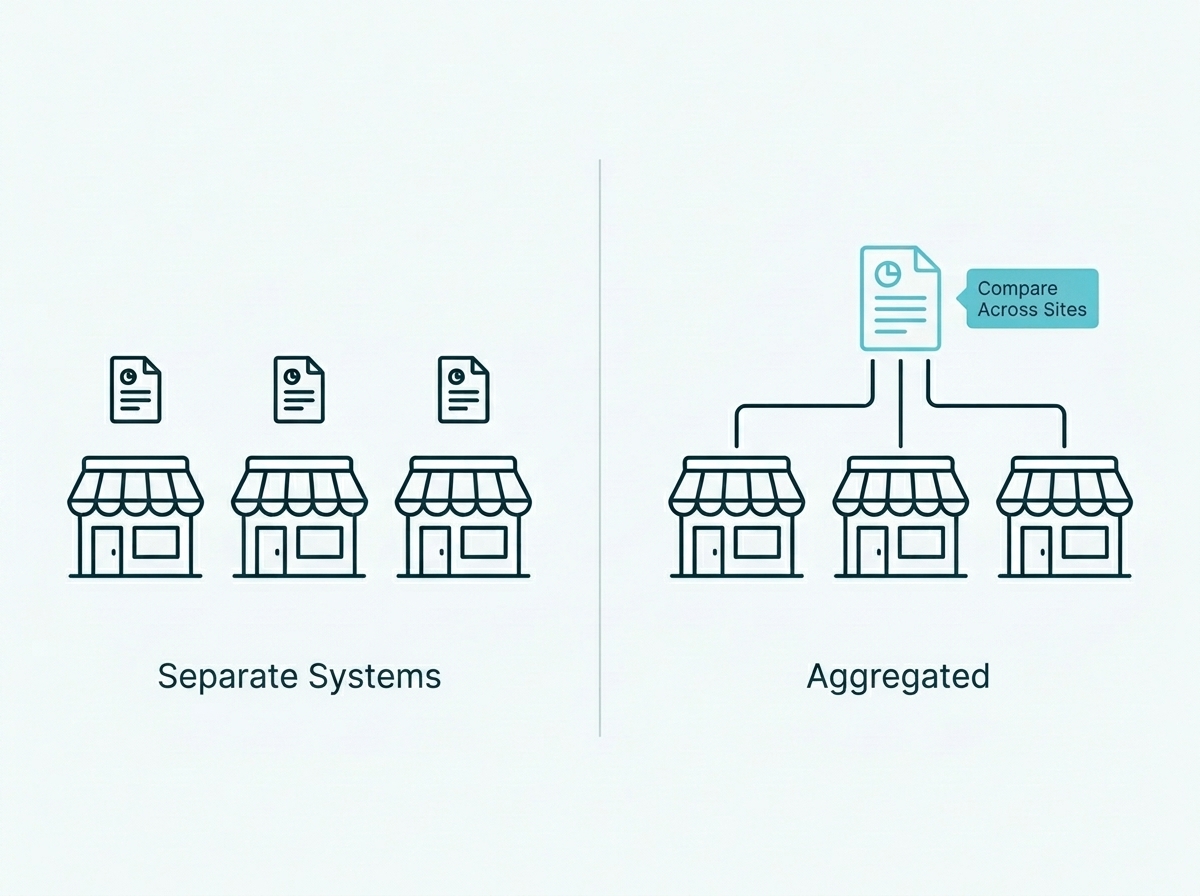
What it means for you: if a second branch is plausible within two years, choose the management architecture now. Retrofitting centralization onto stores that were set up independently is the expensive version.
What Does the Law Require of a Retailer?
A shop floor is a semi-public space under NPC Circular 2024-02, meaning privately owned and open to the public during operating hours, so a retailer is within its scope from the day the first camera goes up.
Visible notice that cameras are operating, posted where customers can see it.
A declared purpose, with coverage proportionate to it. Loss prevention is a purpose. Curiosity is not.
No cameras in prohibited spaces, which for retail means fitting rooms explicitly, along with restrooms and staff changing areas.
A documented retention period, set by purpose rather than by disk capacity, with footage destroyed afterwards.
Restricted and logged access, limited to named people, with records of viewing, copying, and transfers.
A privacy impact assessment where video analytics, including AI algorithms or facial recognition, are in use.
A response capability, since a customer requesting footage of themselves triggers a five-working-day deadline to arrange a viewing and fifteen to supply a copy.
One further item specific to retail. VIGI's supermarket material describes continuous audio and video recording at checkout counters. Audio is a different legal question from video in the Philippines and engages anti-wiretapping law, so a retailer considering audio at the till should take advice specifically on that rather than assuming it travels with the camera permission.
The full set of obligations, including which of them change what you buy, is in CCTV System Philippines Buyer's Guide.
To compare cameras and recorders for a store deployment, browse VIGI cameras, see how VIGI groups its offering under solutions by industry, or explore VIGI's retail surveillance solutions.
What it means for you: write your purpose and retention period down before ordering, and treat any facial recognition feature as requiring an assessment rather than a decision. Both are cheap now and expensive to reconstruct later.
Frequently Asked Questions
Which areas of a retail store need the most camera coverage?
Entrances and exits, checkout counters, and high-value displays, because those are where product and cash change hands or leave the store. The stockroom deserves coverage too despite low traffic, since it holds concentrated value and is the least observed area. Fitting rooms are prohibited outright under NPC Circular 2024-02.
Can retail cameras do more than record theft?
Yes. The same cameras support people counting, flow analytics and heat maps, and queue detection, which inform staffing, layout, and marketing timing. On VIGI, these analytics sit in the paid tier of Cloud VMS rather than coming with the cameras, so the capability is a subscription decision as well as a hardware one.
Does people counting identify customers?
Not on VIGI. Its people counting uses head-and-shoulder detection, and TP-Link states that it detects only head-and-shoulder features with no facial recognition involved, so the output is a count rather than a record about an individual. It also runs on regular VIGI cameras rather than requiring specialized hardware.
What is a denylist alarm, and can a Philippine retailer use one?
It matches faces against a stored watchlist and alerts on a match, which means it processes biometric data. Under the Data Privacy Act, biometric information is sensitive personal information, and NPC Circular 2024-02 requires a privacy impact assessment where facial recognition is in use. It is a legal project rather than a setting, and worth taking advice on before deploying.
Can cameras monitor checkout queues automatically?
Yes. Queue detection counts people waiting and estimates wait time, raising an alert when the queue passes a threshold you set, so staff can open a lane while it still helps. On VIGI, this is part of the Crowd and Queue Management feature in the paid Cloud VMS tier.
Do chain stores need different equipment from a single shop?
Not usually different cameras, but a different management approach. Centralized cloud management aggregates footage access and analytics across sites so branches can be compared and a new location can be added without deploying hardware for it, and it supports per-site access roles as the team grows.
Can a shop record audio at the checkout?
Treat this as a separate question from video and take advice before enabling it. Audio recording in the Philippines engages anti-wiretapping law, which is a different legal framework from the CCTV rules in NPC Circular 2024-02, so a camera permission does not carry an audio permission with it.
Final Thoughts
A retail camera system earns its cost twice if you let it. Placed where product and cash actually move, it does the loss prevention job it was bought for. Paired with the analytics tier, the same cameras answer questions retailers otherwise guess at: how many people came in, how many walked past without entering, which displays hold attention, and when the queue got long enough that people left.
The line worth being careful about runs through the middle of those analytics. People counting produces a number, and VIGI states plainly that it involves no facial recognition. A denylist produces a biometric record about a specific person, which is sensitive personal information under Philippine law and requires a privacy impact assessment. Both are described as smart retail features, and they are not the same kind of thing at all.
Everything else follows from a plan that ranks positions by what passes through them rather than by floor area, and from deciding in advance whether you will act on the data you are paying to collect.
If you want that mapped before you buy, bring a VIGI specialist three things: a floor plan marking your entrance, tills, high-value displays, and stockroom; a note of whether a second branch is likely within two years; and which of the analytics you would actually act on. You will get back a camera layout ranked by what each position is for, an honest view on whether the analytics tier is worth it at your size, and a storage figure sized to the retention period you have decided. Or explore VIGI's retail surveillance solutions to see the cameras and management tools behind the plan above.